Modern IT Infrastructure Essentials
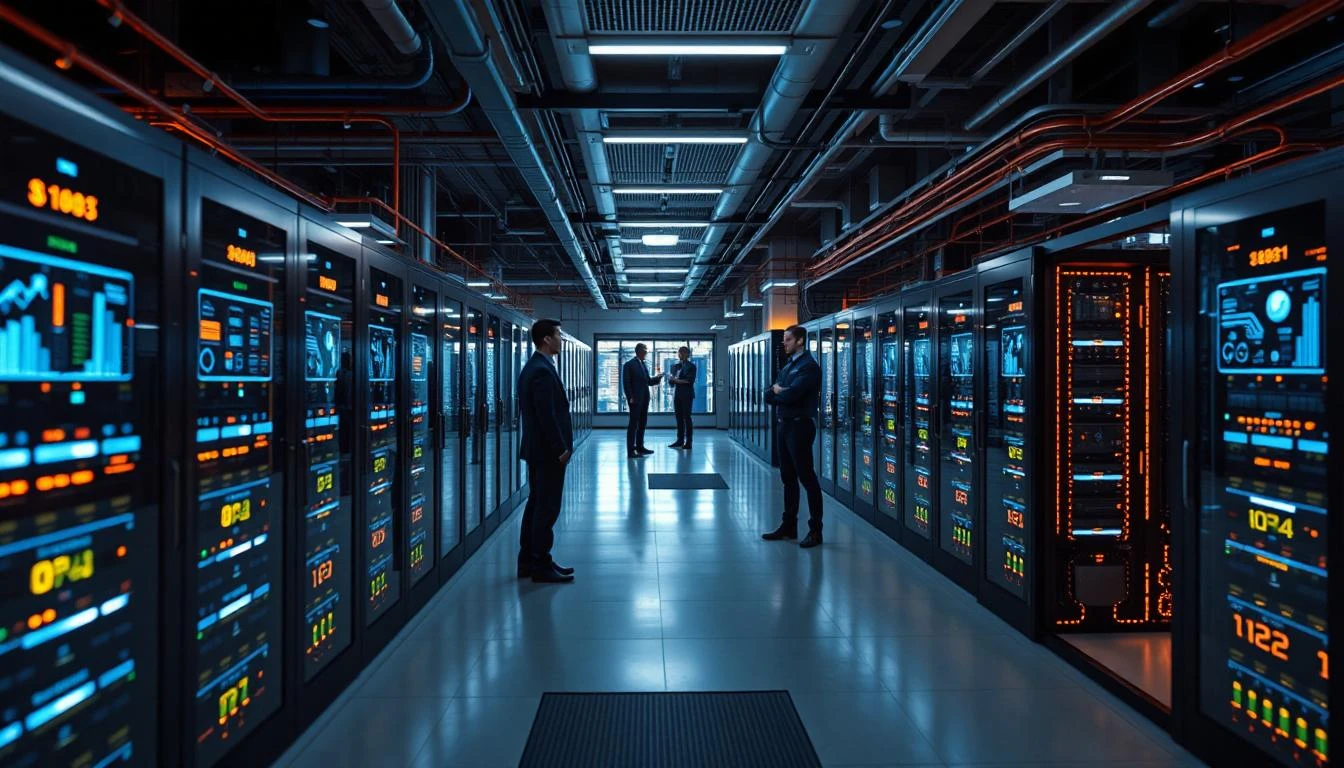
Technology is evolving at a breathtaking pace, and businesses everywhere are feeling the pressure to adapt faster than ever before. From cloud-based collaboration tools to AI-powered automation, digital transformation is no longer reserved for large corporations with massive budgets. Companies of all sizes are now relying on smarter infrastructure to improve efficiency, secure sensitive information, and maintain stable operations in an increasingly connected world. What makes this shift even more interesting is how infrastructure has quietly become the invisible force behind customer experience, productivity, and long-term business growth.
As organizations continue embracing digital transformation, modern IT infrastructure essentials are becoming the foundation that supports scalability, cybersecurity, operational flexibility, and real-time connectivity. Businesses are redesigning their systems to handle growing data demands, remote work environments, and evolving cyber threats while still maintaining performance and reliability. Satya Nadella from Microsoft once emphasized that every company is becoming a technology company in some way, and that statement reflects the growing importance of intelligent infrastructure strategies across industries today.
Overview of Modern IT Infrastructure
Modern organizations rely heavily on interconnected digital ecosystems to keep daily operations running smoothly. In many industries, infrastructure is no longer hidden behind the scenes. It directly influences customer experience, business continuity, and market competitiveness. This growing dependence on digital operations explains why businesses are prioritizing smarter infrastructure planning more aggressively than ever before.
For many companies, enterprise IT systems now serve as the operational backbone connecting cloud platforms, internal networks, security frameworks, and data management environments into one cohesive structure. Businesses that optimize these systems often gain faster operational performance, improved scalability, and greater flexibility when adapting to market changes.
Importance of IT Systems in Businesses
Technology infrastructure affects nearly every aspect of modern business operations. Communication systems, online transactions, inventory management, customer support platforms, and remote collaboration tools all depend on stable infrastructure environments. Without reliable systems, even small technical disruptions can lead to significant operational setbacks.
Businesses with strong IT foundations usually recover faster from disruptions because they have better redundancy systems, automated backups, and integrated recovery solutions. This resilience has become increasingly important as cyber threats and digital dependency continue to grow across industries. According to technology expert Gartner analyst David Cappuccio, “organizations that proactively modernize infrastructure are often better positioned to manage operational risk and maintain long-term digital stability.” That insight highlights how infrastructure investment is no longer only about technology, but also about business survival and adaptability.
Evolution of Digital Infrastructure
Digital infrastructure has changed dramatically over the past decade. Traditional server rooms filled with physical hardware are gradually being replaced by cloud-native ecosystems, virtualization technologies, and software-defined environments. Businesses today want flexibility instead of rigid systems that slow down innovation. Hybrid cloud environments have become especially popular because they combine the scalability of public cloud services with the security and control of private infrastructure. This approach allows businesses to optimize workloads while reducing unnecessary operational costs.
Artificial intelligence is also beginning to transform infrastructure management. Modern monitoring systems can now predict failures, identify unusual activity, and automate maintenance tasks before problems become critical. These innovations are helping organizations reduce downtime while improving overall efficiency.
Components of Modern IT Environments
A modern IT environment consists of several interconnected components working together to support business operations. These components include servers, cloud platforms, cybersecurity systems, storage infrastructure, networking technologies, and monitoring tools.
Businesses today often integrate virtualization, automation, and cloud orchestration into their infrastructure strategies to create more responsive digital environments. The goal is not simply to add more technology, but to build systems that operate intelligently and adapt quickly. This shift toward integrated infrastructure also supports remote work, global collaboration, and real-time data processing. Companies that embrace these technologies often experience improved operational visibility and faster decision-making capabilities.
Core Elements of IT Infrastructure
Strong infrastructure is built on several foundational technologies that support performance, scalability, and security. Understanding these core elements helps businesses create systems capable of supporting both current demands and future growth. Without a balanced infrastructure strategy, organizations may struggle with performance bottlenecks and operational inefficiencies.
As digital transformation accelerates globally, businesses are becoming more selective about how infrastructure components interact with each other. The focus is no longer only on hardware performance, but also on flexibility, automation, and long-term sustainability.
Servers and Cloud Computing
Servers remain essential in modern infrastructure because they host applications, process workloads, and manage business data. However, the rise of cloud computing has transformed how organizations deploy and manage these resources.
Cloud platforms allow businesses to scale operations without investing heavily in physical hardware. Instead of maintaining large on-site data centers, companies can access computing power on demand through cloud providers. This flexibility helps organizations adapt quickly to changing workloads and market demands.
Hybrid cloud strategies are particularly valuable because they combine operational efficiency with enhanced security. Businesses can store sensitive workloads in private environments while still benefiting from the scalability of public cloud services.
Storage and Data Management Systems
Data has become one of the most valuable assets in modern business operations. Every customer interaction, transaction, and operational process generates information that businesses can use to improve decision-making and customer experiences.
Modern storage systems are designed to handle enormous amounts of structured and unstructured data efficiently. Cloud storage, distributed databases, and backup recovery systems help organizations maintain data availability while reducing the risk of loss. Efficient data management also improves compliance with privacy regulations and cybersecurity standards. Businesses that prioritize secure storage architecture often gain stronger customer trust and better operational transparency.
Networking and Connectivity Solutions
Networking technology connects every component within an IT infrastructure environment. Without reliable connectivity, communication between applications, users, and cloud services becomes unstable and inefficient.
Modern networking solutions now prioritize speed, security, and low latency. Technologies such as SD-WAN, fiber-optic connectivity, and intelligent traffic management help businesses improve performance across multiple locations. As remote and hybrid work models continue expanding, connectivity has become even more critical. Employees need secure access to systems from virtually anywhere, and businesses must ensure stable performance regardless of location.
Best Practices for Infrastructure Management
Building advanced infrastructure is only part of the challenge. Long-term success depends on how effectively organizations manage, monitor, and optimize these systems over time. Businesses that neglect infrastructure maintenance often face preventable disruptions that affect productivity and customer satisfaction.
Modern infrastructure management is becoming increasingly proactive rather than reactive. Instead of waiting for systems to fail, organizations now use predictive technologies and automation tools to identify risks early and maintain operational continuity.
Cybersecurity Implementation Strategies
Cybersecurity has become one of the most important aspects of infrastructure management. Businesses face constant threats ranging from ransomware attacks to data breaches and phishing campaigns.
Modern cybersecurity strategies often include multi-factor authentication, endpoint protection, zero-trust architecture, and continuous monitoring systems. These layered defenses help organizations reduce vulnerabilities while improving threat detection capabilities. Strong security practices also involve employee awareness. Many cyber incidents occur because of human error, which is why businesses increasingly invest in cybersecurity education and training programs.
System Monitoring and Maintenance
Continuous monitoring allows businesses to identify infrastructure issues before they escalate into larger problems. Monitoring platforms track server health, bandwidth usage, system performance, and unusual network activity in real time.
Preventive maintenance strategies such as automated updates, infrastructure diagnostics, and performance optimization help organizations reduce downtime significantly. Businesses that consistently monitor infrastructure health often experience better operational reliability and stronger user experiences.
Modern AI-powered monitoring tools are also improving efficiency by detecting patterns and predicting failures with remarkable accuracy. This proactive approach gives businesses greater control over operational stability.
Scalability and Performance Optimization
Scalability is essential for businesses expecting growth or fluctuating workloads. Infrastructure must be capable of handling increased demand without sacrificing performance or reliability. Technologies such as load balancing, container orchestration, and elastic cloud computing allow organizations to scale resources dynamically. This flexibility helps businesses manage traffic spikes more efficiently while controlling operational costs.
Performance optimization also directly influences customer experience. Faster applications, reduced latency, and stable digital services contribute to stronger engagement and higher customer retention.
Strengthen Your Business With Modern IT Infrastructure
Businesses that modernize infrastructure today are not simply preparing for current challenges. They are positioning themselves for future innovation, stronger resilience, and long-term competitiveness in an increasingly digital economy. Infrastructure modernization allows organizations to improve efficiency, protect sensitive data, and adapt faster to technological disruption.
The companies leading digital transformation often share one common advantage: they treat infrastructure as a strategic investment rather than a technical afterthought. Strong digital foundations create opportunities for innovation, automation, and smarter operational decision-making across every department.