Computer Networking Basics For Beginners
Introduction to Computer Networking
Modern networking systems may seem invisible, but they are constantly working behind every notification, search result, video call, and file transfer. Understanding the basics helps you become more aware of how digital communication actually happens and why stable connections matter so much in daily life.
Learning basic computer network concepts also gives you an advantage when solving common internet issues, improving online security, or even exploring technology careers. Instead of feeling confused when Wi-Fi problems appear, you begin recognizing how devices, routers, and protocols interact with each other behind the scenes.
Understanding Network Fundamentals
A computer network is simply a collection of connected devices that share information and resources. These devices can include smartphones, laptops, printers, servers, tablets, and smart TVs. Networks allow these devices to communicate efficiently through systems called protocols, which act like rules for sending and receiving data correctly.
One important concept beginners should understand is how data travels across networks. Information is divided into smaller packets before being transmitted. These packets move through different routes and are reassembled once they reach their destination. This process helps improve speed, reliability, and efficiency across digital communication systems.
Types of Computer Networks
Different types of networks exist for different purposes. A Local Area Network, commonly called LAN, connects devices within a limited area such as homes, schools, or offices. Meanwhile, a Wide Area Network or WAN connects devices across much larger distances, including entire cities or countries.
Wireless networking has also become increasingly important in modern life. Wi-Fi technology allows users to stay connected without physical cables, creating flexibility for remote work, mobile devices, and smart technology ecosystems. Today’s networking environments often combine wired and wireless systems for maximum performance and convenience.
Importance of Networking in Daily Life
Networking now influences nearly every aspect of communication and entertainment. Social media, online banking, cloud storage, video streaming, and remote learning all rely on network infrastructure functioning smoothly.
Businesses also depend heavily on networking systems to maintain productivity and collaboration. Without proper networking, online services, customer communication, and digital transactions would quickly collapse. This is one reason why networking professionals remain highly valuable across the global technology industry.
Basic Networking Components
Before diving deeper into advanced concepts, it is important to understand the physical and digital components that keep networks operating efficiently. These elements work together continuously, even though most users rarely notice them during everyday internet use.
Once you understand the role of routers, cables, and IP addresses, networking becomes much easier to visualize. Instead of seeing the internet as something abstract, you begin recognizing it as a structured system built from interconnected hardware and communication rules.
Routers and Switches Overview
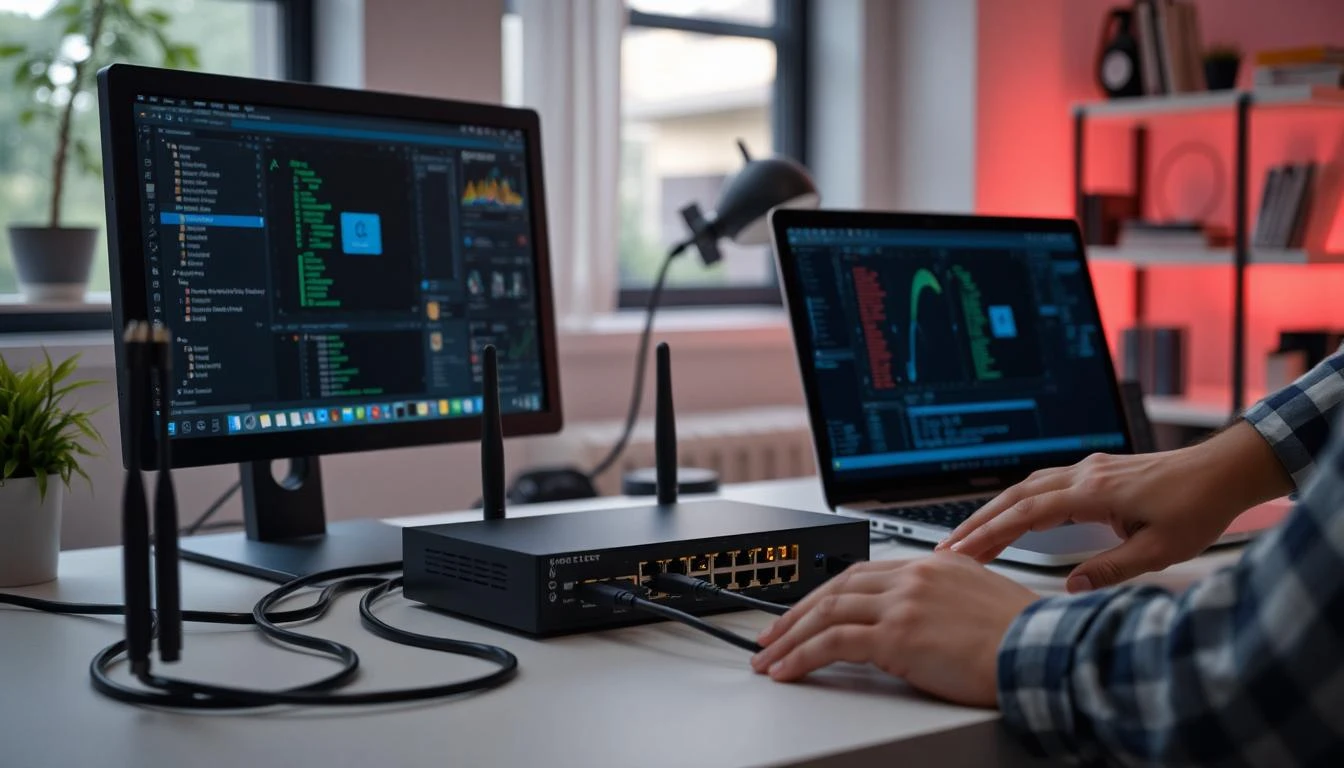
Routers are responsible for directing internet traffic between devices and networks. In most homes, the router connects personal devices to the internet service provider. It acts like a traffic manager, ensuring information reaches the correct destination efficiently.
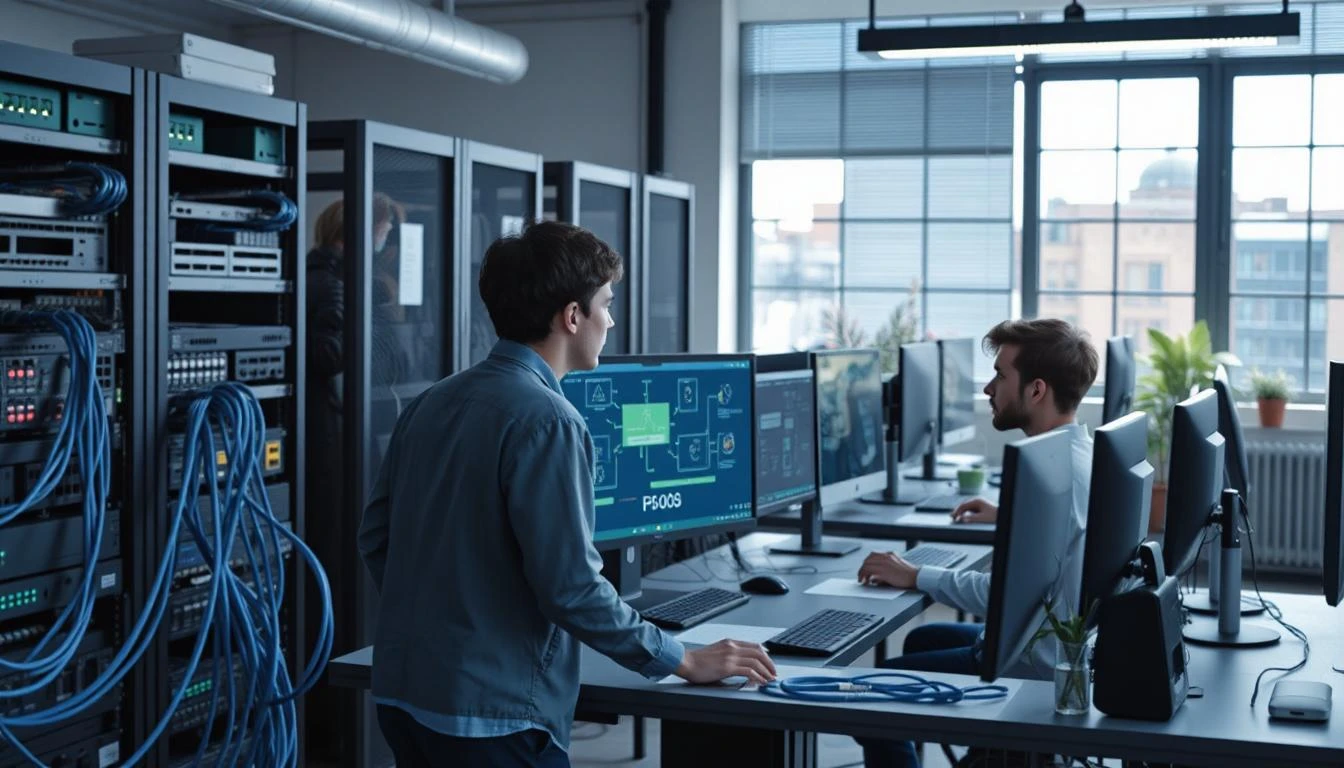
Switches serve a different purpose. They connect multiple devices within the same network and help internal communication happen more effectively. Offices and businesses commonly use switches to connect computers, printers, and servers within one environment. Modern routers now include advanced features such as parental controls, firewall protection, bandwidth prioritization, and guest networks. These tools improve both performance and security for connected users.
Cables and Wireless Connections
Even in the age of wireless technology, physical cables still play a crucial role in networking. Ethernet cables provide stable and fast connections, making them ideal for gaming, streaming, and professional work environments where reliability matters.
Wireless connections, however, offer flexibility and convenience. Wi-Fi allows devices to connect without cables, supporting mobility throughout homes, schools, and workplaces. Advances like Wi-Fi 6 have significantly improved speed, signal stability, and support for multiple connected devices. As Steve Jobs once stated, “technology works best when it becomes seamlessly integrated into everyday life.” Networking technology reflects this perfectly because most people use it constantly without even realizing the complex systems operating behind their screens.
IP Addresses and Network Protocols
Every device connected to a network requires an IP address, which acts like a digital identifier. Without IP addresses, devices would not know where to send or receive information properly.
Network protocols define how devices communicate with each other. Protocols such as TCP/IP help organize data transmission across the internet, ensuring information arrives accurately and securely. These communication standards are essential for everything from browsing websites to sending emails and streaming videos.
Common Networking Concepts
Once the basic components become familiar, understanding broader networking concepts feels much more approachable. These concepts explain how networks maintain stability, deliver information quickly, and support billions of connected devices worldwide.
For beginners, learning these concepts can completely change how you view the internet. Instead of seeing it as a simple tool, you begin understanding the massive infrastructure and coordination required to keep global communication running every second.
Local Area Network Basics
A Local Area Network or LAN allows devices within a small area to connect and share resources. Home Wi-Fi setups are among the most common examples of LAN environments. LANs make it easier to share files, printers, internet access, and multimedia content between connected devices. Businesses rely heavily on LAN systems because they improve communication and operational efficiency within offices.
Strong passwords, updated firmware, and secure encryption are important parts of maintaining a safe and reliable local network environment.
Internet and Data Communication
The internet functions through an enormous system of interconnected networks spread across the world. Data travels through servers, fiber optic cables, wireless signals, and data centers before reaching users within seconds.
Whenever someone opens a website or watches a video online, countless processes occur almost instantly behind the scenes. Data communication systems are designed to handle these requests efficiently while maintaining speed and reliability for millions of users simultaneously. Cloud computing has expanded the importance of networking even further. Many businesses and individuals now store data online instead of relying entirely on local devices, allowing faster collaboration and easier remote access.
Troubleshooting Simple Network Issues
Network problems can be frustrating, but many common issues are surprisingly easy to solve. Restarting the router, checking cables, updating firmware, or reconnecting devices often resolves basic connectivity problems quickly.
Slow internet speeds may also result from signal interference, outdated hardware, or too many connected devices using bandwidth simultaneously. Understanding these simple troubleshooting methods helps users feel more confident and less dependent on technical support. The more you explore networking, the more you notice how many everyday digital frustrations actually have logical explanations and manageable solutions.
Start Learning Computer Networking Basics Today
The digital world continues evolving rapidly, and networking knowledge becomes more valuable every year. Whether you want to improve your technical skills, understand internet security better, or simply become more confident using technology, learning networking fundamentals is an excellent place to begin.
You do not need to become an engineer overnight to understand how networks operate. Starting with small concepts like routers, IP addresses, and Wi-Fi systems can gradually build a strong foundation that becomes useful in school, work, and everyday life. The deeper you explore networking, the easier it becomes to recognize how connected modern society truly is and why these systems quietly power almost everything around you.